
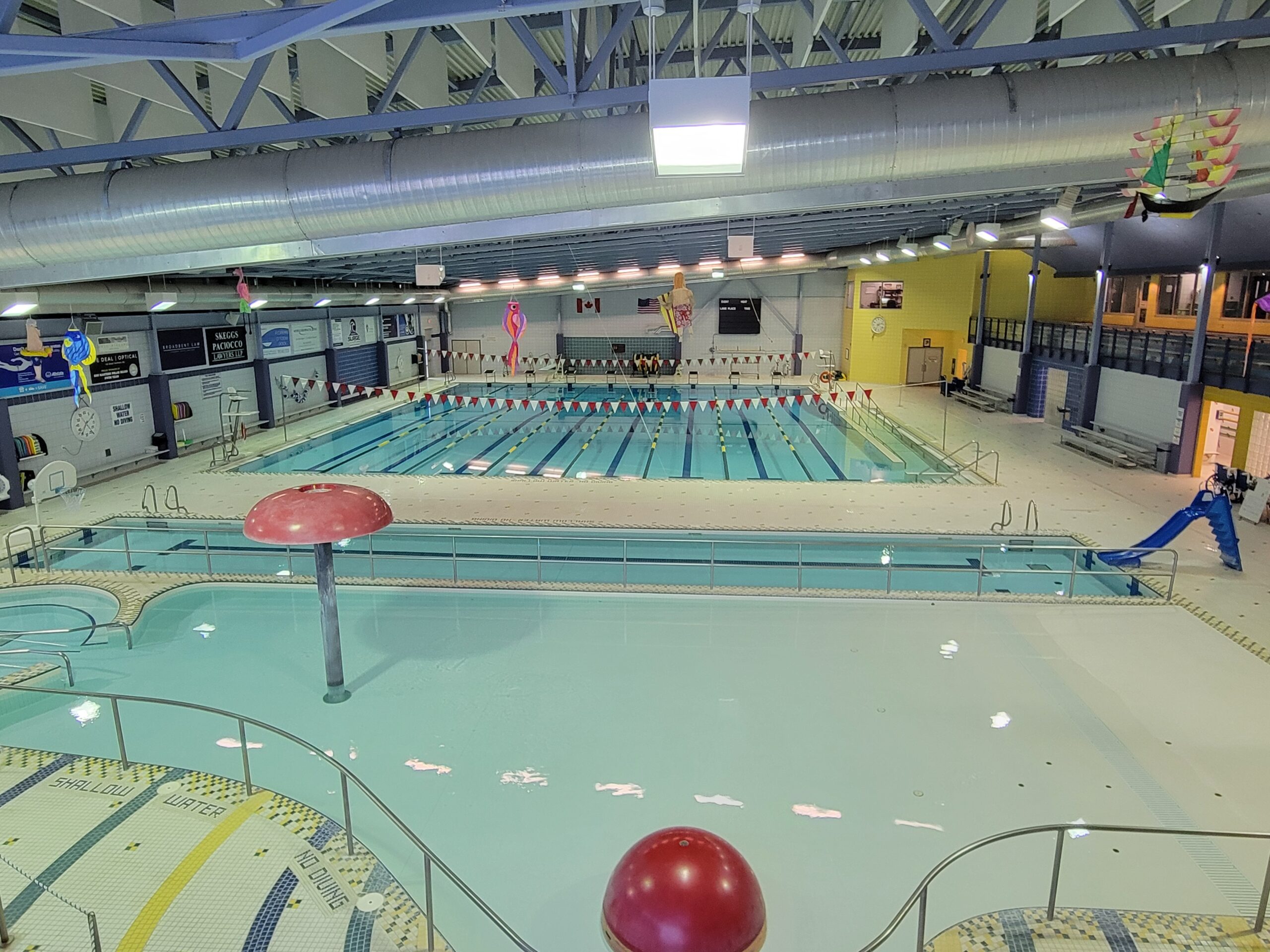
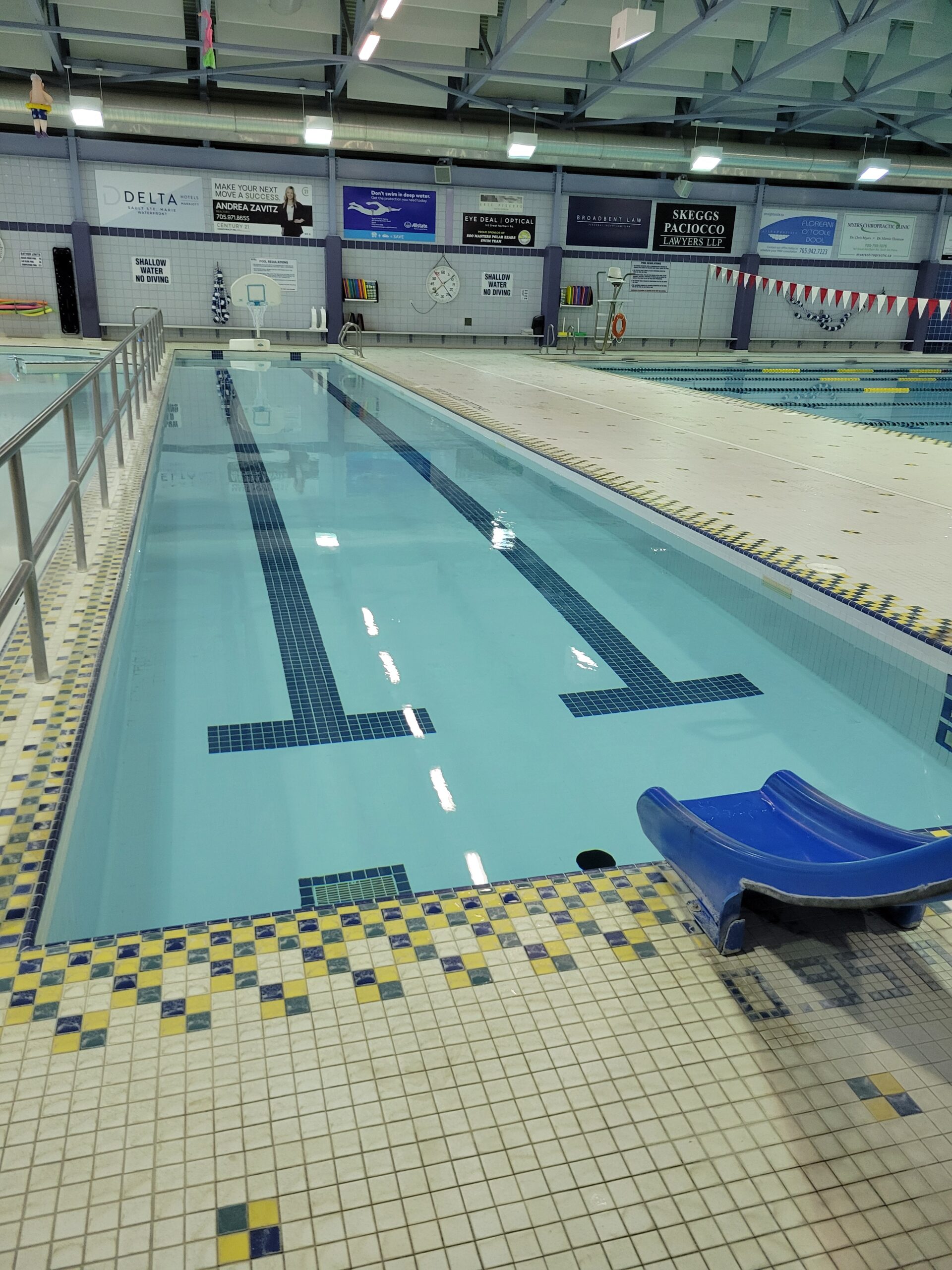
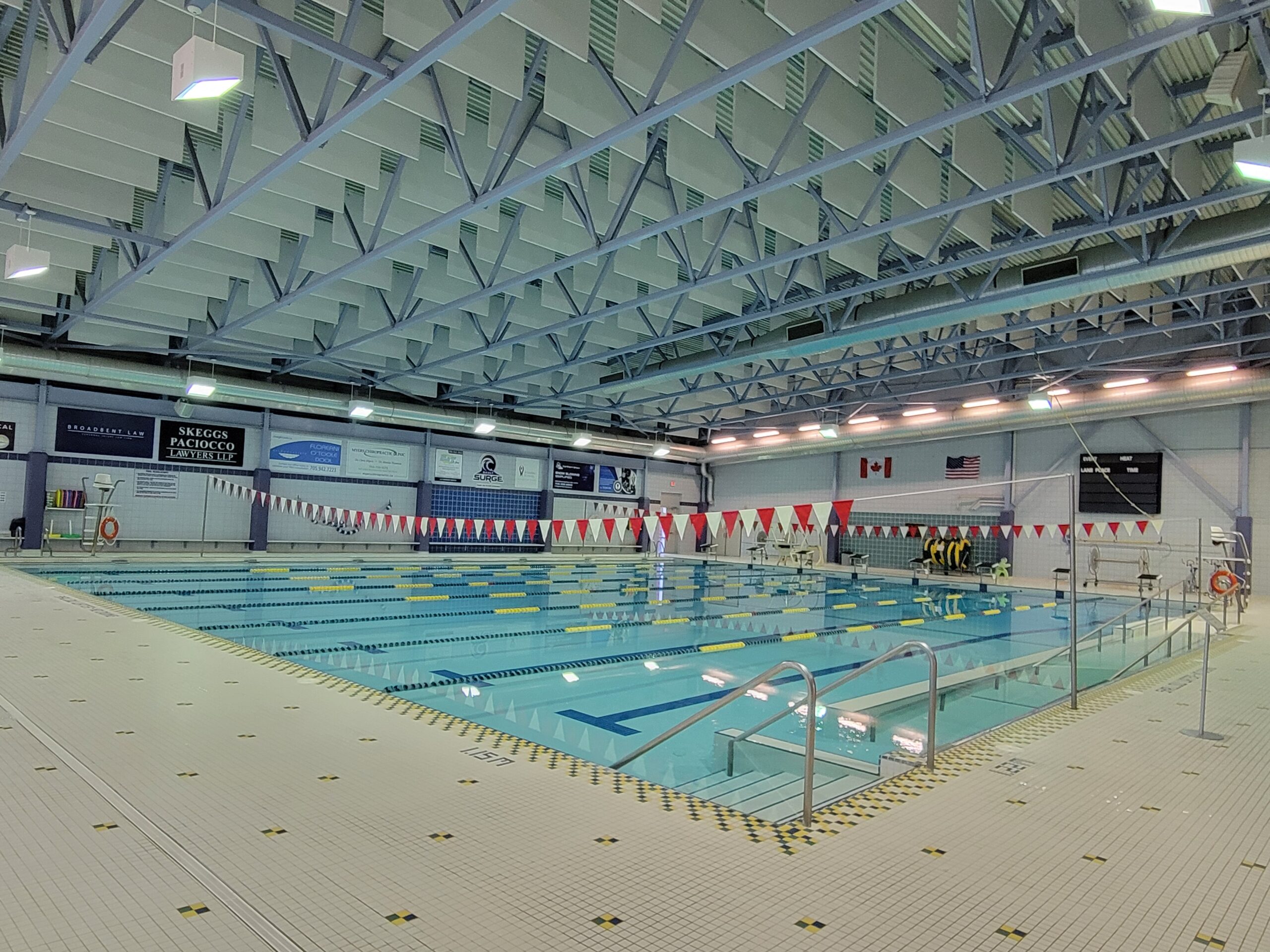
Pool Facility Features
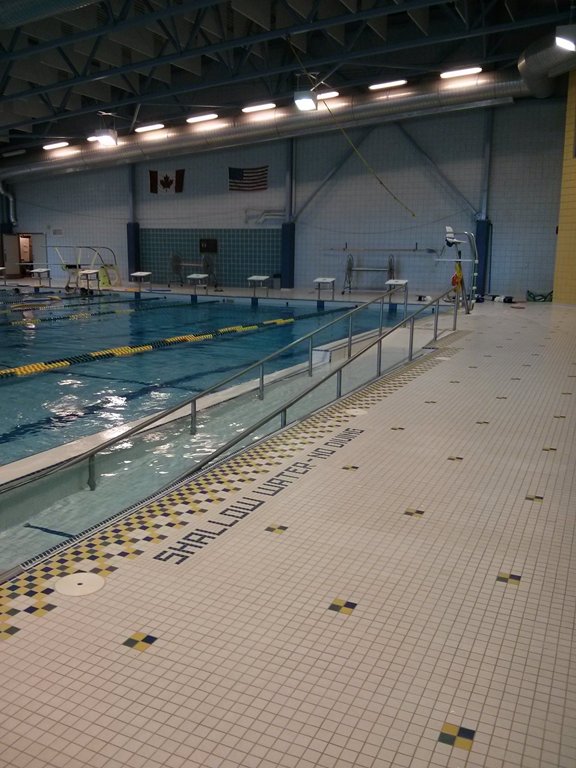
- 25 metre – 8 lane pool
- Ramp entrance into the main pool
- Beachfront pool
- Lap pool
- Spectator viewing for approximately 400
- Food and beverage concession areas
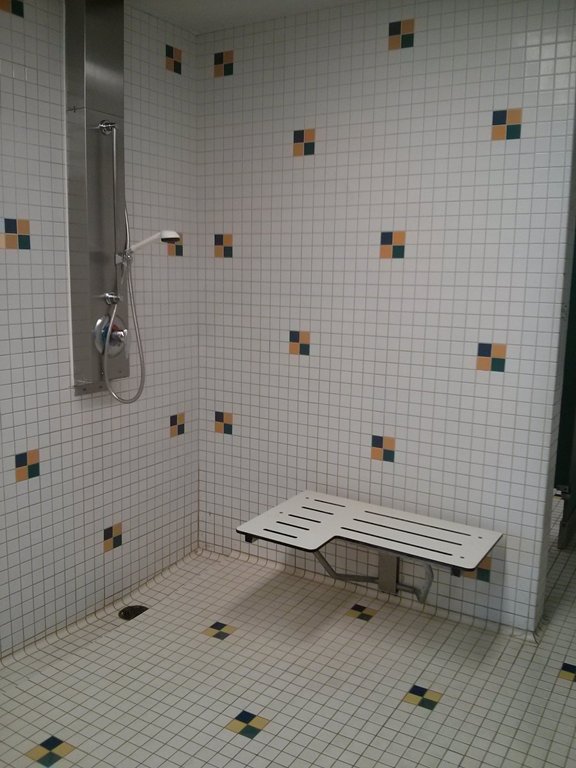
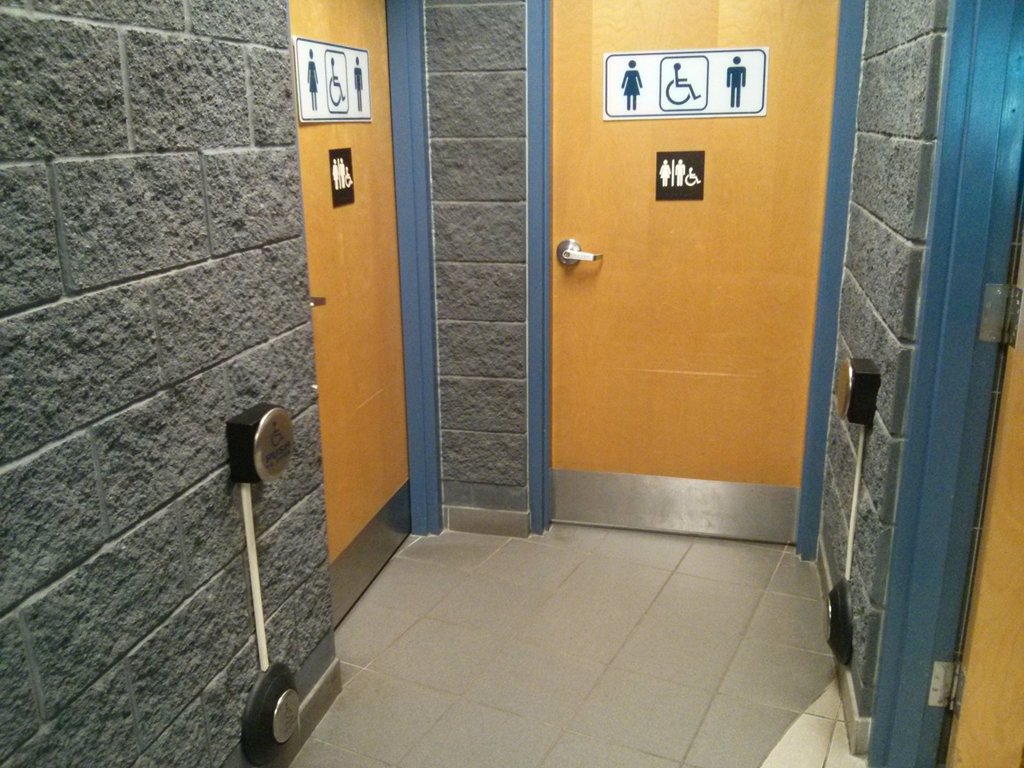
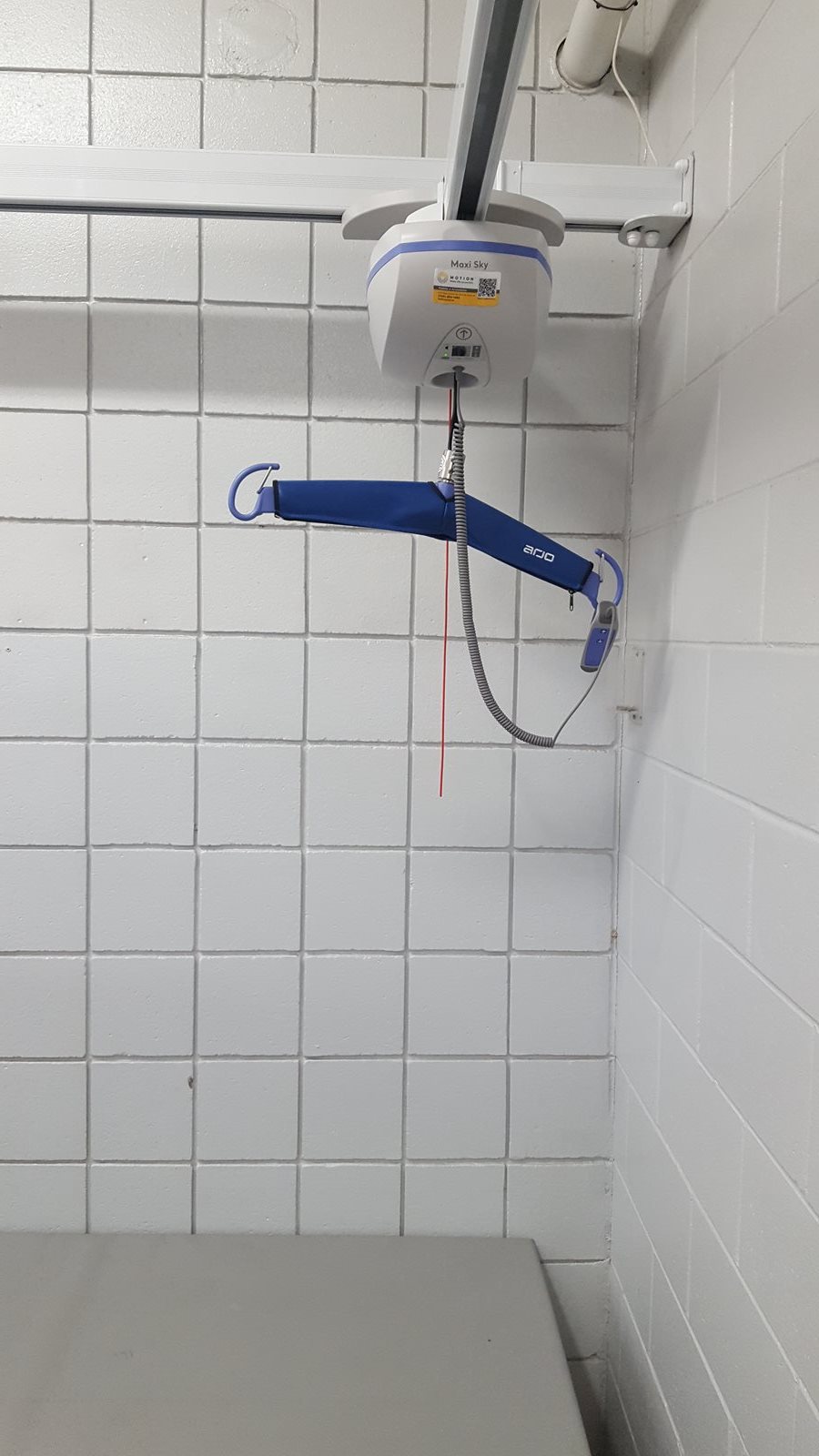
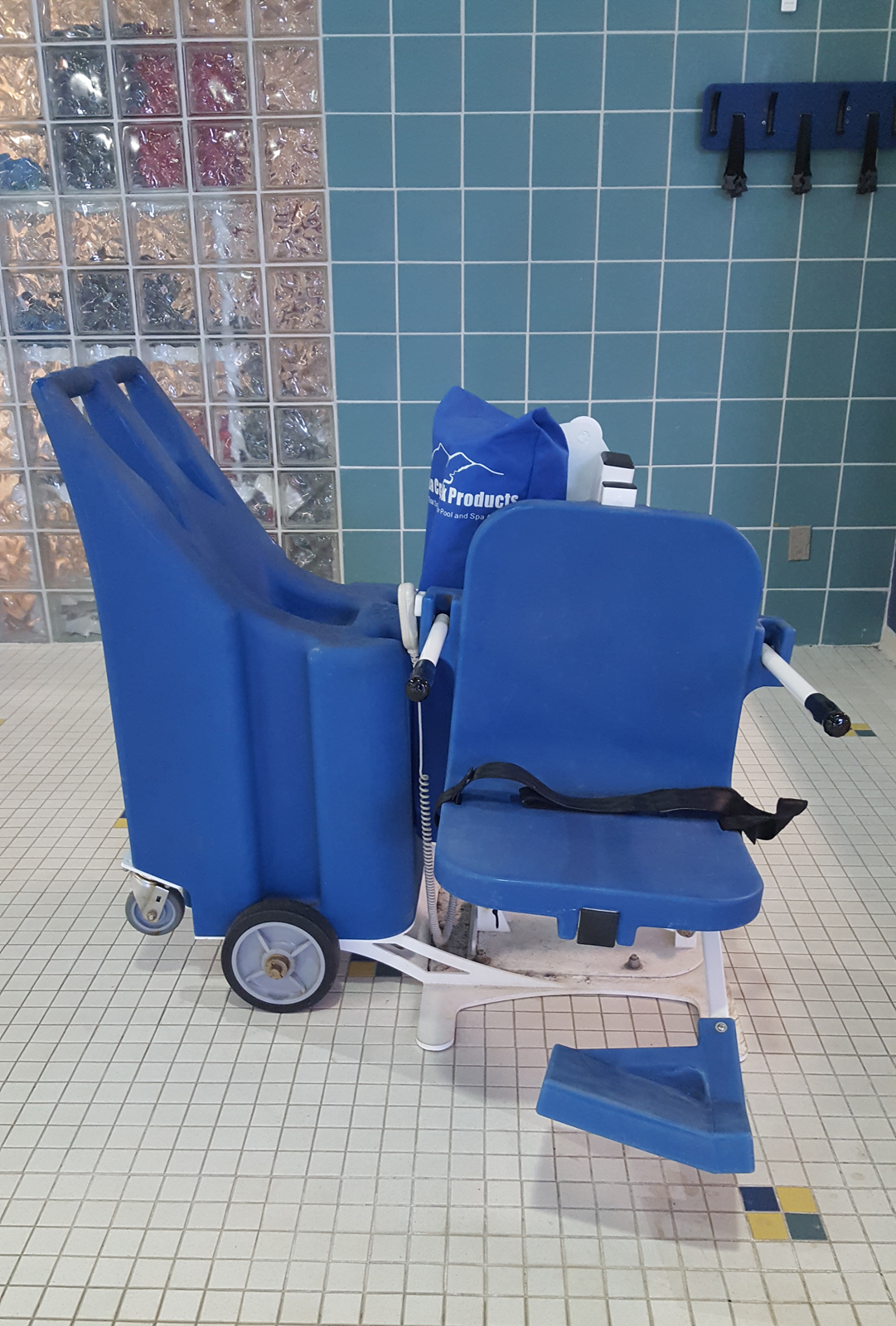
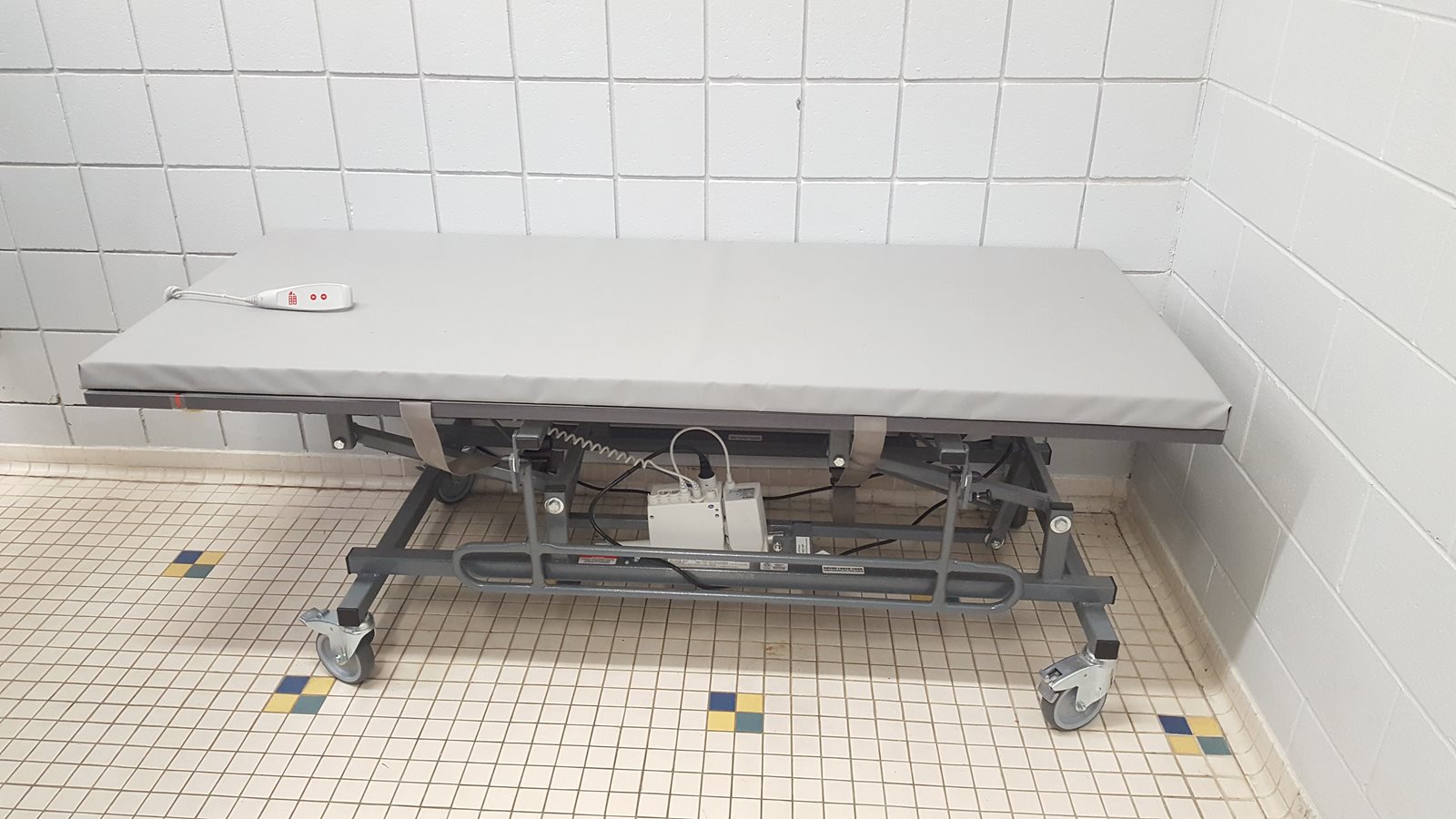
- Universal change room
- An elevator
User Groups
- Algoma District School Board
- Huron Superior Catholic District School Board
- Kayaking Club
- Sault Surge Aquatic Team
- Soo Tridents Underwater Hockey Club
- Soo Masters Polar Bear Club
Swim Prices
All prices include H.S.T.
Type | One Swim |
Child | $4.25 |
Adult | $6.50 |
Senior (55+) | $5.00 |
Group (Max 5) | $17.50 |
| Type | 10 Swim Card |
|---|---|
| Child | $37.25 |
| Adult | $55.00 |
| Senior 55+ | $41.75 |
| Type | 25 Swim Card |
|---|---|
| Child | $82.00 |
| Adult | $120.00 |
| Senior 55+ | $91.00 |
Swimming Lesson Registration
Registration for Fall 2026 lessons begins Tuesday, September 22. Lessons will be offered 7 days a week with morning and evening lessons available on the weekends in private, semi-private and group.
For Reasons Of Disability Private Swim Lessons
For Reasons Of Disability Private Swim Lessons (FROD) is designed for individuals who benefit from the additional support and individualized attention provided through private swimming lessons, including those with physical, developmental, cognitive, or other support needs.
Below, you will find program descriptions to help find the best fit for your swimmer. Use the title when searching for lessons in ActiveNet.
Swimming Lesson Descriptions
Parent & Tot 1
Fun and engaging lesson for 4-12-month-olds to become more comfortable and confident in the water! This takes place in the beachfront/circle pool as well as slide pool where tots will splash, sing songs and kick on their bellies and backs as well as doing underwater dunks! Parents will also learn how to support their child in the water as well as tips for submersion and balance.
Parent & Tot 2
An interactive and skill enhancing lesson for 12-24-month-olds taking place in the beachfront/circle pool and slide pool. Tots will explore various gross motor skills including blowing bubbles, floating, and kicking. As well as fine motor skills such as grasping toys and practicing hand-eye coordination. Your Tot will be getting their face wet and submerging.
Parent & Tot 3
The goal of this lesson is to build your child’s confidence and independence in the water and prepare them for Preschool 1 as well as continuing to improve floats, kicks, jumps, and underwater dunks! Ages 24-36 months are welcome!
Preschool 1
This level (ages 3-6) takes place in the beachfront pool, where swimmers will learn basic skills, such as water safety, putting their faces in the water and blowing bubbles. They will also learn how to float and glide on their fronts and backs with the help of the instructor.
Preschool 2
This level (ages 3-6) takes place in the beachfront pool. Swimmers will be getting more comfortable putting their faces in the water as well as blowing bubbles. Swimmers will learn to glide on their front with their face in the water and glide on their back 3 metres on their own either using weights to support themselves or wearing a lifejacket. They will also gain confidence jumping into the pool independently (while being supervised by an instructor).
Preschool 3
This level (ages 3-6) takes place in the circle pool. Swimmers will learn how to float and swim independently without the use of an aid. It is one of our most challenging levels. They will work on gliding 3 metres (just over half of the circle pool) and kicking 5 metres (the length of the circle pool) on their bellies with their face in the water and on their backs. They will also learn how to roll over front to back and back to front and swim 3 metres. Swimmers will also sing along in jumping games and trying different entries into deeper water while wearing a lifejacket.
Preschool 4
Now that swimmers have learned the basics and foundation skills to swim short distances independently, they will work on techniques and distance. This level (ages 3-6) takes place in the lap pool where these swimmers will master flutter kicking on their front (with face in) and back 7 metres (around ⅓ of the length of the lap pool). In addition to front crawl 5 metres wearing a lifejacket. They will do sideways entries and open their eyes underwater. They will also learn to do solo jumps into deeper water and get out by themselves to encourage independence and build confidence!
Preschool 5
This level (ages 3-6) takes place in the lap pool where swimmers will build off their skills learned in Preschool 4, working on front and back crawl for 5 metres independently (around ¼ length of the lap pool), interval training (4×5 metres) to build endurance, and learn whip kick in a vertical position.
Swimmer 1
This level (ages 6+) takes place in the lap pool where swimmers will work toward independently performing front floats (face in water) and back floats, glides on front (face in water) and back (3 metres- width of lap pool), flutter kick on front (face in water) and back (5 metres), and front crawl wearing a lifejacket (5 metres). They will become more comfortable jumping into the water with and without a lifejacket. They will also learn to open their eyes, exhale and hold their breath underwater.
Swimmer 2
This level (ages 6+) takes place in the lap pool where swimmers will work on independently performing flutter kicks on their front (with face in), back and side (10 metres- half of the lap pool), as well as front and back crawl (10 metres). Swimmers will experience swimming in the competition pool with lifejackets while completing skills such as sideways entries and treading water. This level helps swimmers strengthen their endurance while working on breathing patterns preparing them for Swimmer 3.
Swimmer 3
This level (ages 6+) takes place in the competition pool. Swimmers will begin in the shallow end of the pool to build confidence and endurance, while working on swimming 15 metres (⅔ of the pool) of front and back crawl. Swimmers will also learn to independently tread water for 30 seconds and are introduced to kneeling dives in deep water.
Swimmer 4
This level (ages 6+) takes place in the competition pool where swimmers must be comfortable in deep water in order to build endurance for swimming 25 metres of front and back crawl (1 full length of the pool). Swimmers will also practice independently treading water for 1 minute, as well as progress to standing dives into deep water.
Swimmer 5
This level (ages 6+) takes place in the competition pool where swimmers will continue to build endurance and work up to continuously swim 50 metres of front and back crawl (2 full lengths of the pool). Swimmers will also begin putting together the pieces of breaststroke (1 full length of the pool) in addition to learning shallow dives in the deep end and eggbeater.
Swimmer 6
This level (ages 6+) takes place in the competition pool where swimmers will complete 100 metres of front and back crawl (4 lengths of the pool), as well as 25 metres of breaststroke sprint (1 length of the pool) as fast as they can. Swimmers will also build endurance for the “workout” where they will swim 300 metres consecutively (12 lengths of the pool). Additionally, swimmers will practice stride entries, eggbeater kick and scissor kick.
Rookie Patrol
This level takes place in the competition pool and builds on skills learned in Swimmer 6 while introducing lifesaving skills. Swimmers will swim 50 metres (2 lengths of the pool) of front crawl, back crawl and breaststroke, while improving endurance by swimming up to 350 metres continuously. They will also learn basic first aid, including assessing conscious victims, contacting EMS, and treating external bleeding, along with rescue and victim recognition skills.
Ranger Patrol
This level takes place in the competition pool and builds on skills learned in Rookie Patrol. Swimmers will swim 75 metres (3 lengths of the pool) of front crawl, back crawl and breaststroke, and continue to obtain skills such as remove conscious victim and support object for 1 minute. They will also expand on first aid, learning care for victims in shock and how to deal with conscious victims with an obstructed airway, in addition to victim simulation and recognition.
Star Patrol
This level takes place in the competition pool and builds on skills learned in Ranger Patrol. Swimmers will swim 100 metres (4 lengths of the pool) of front crawl, back crawl and breaststroke, and further their eggbeater skills in addition to defence methods. They will broaden their first aid knowledge with care for bone or joint injuries and care for respiratory emergencies, in addition to practicing rescues with a towing aid (20 metres).
Bronze Star
Excellent preparation for success in Bronze Medallion. Participants develop problem-solving and decision-making skills individually and in partners. Candidates learn CPR and develop the lifesaving skills needed to be their own lifeguard. Includes a timed 400 m swim.
Bronze Medallion
Bronze Medallion challenges the candidate both mentally and physically. Judgment, knowledge, skill, and fitness – the four components of water rescue – form the basis of Bronze Medallion training. Candidates acquire the assessment and problem-solving skills needed to make good decisions in, on, and around the water.
Bronze Cross
Bronze Cross begins the transition from lifesaving to lifeguarding and prepares candidates for responsibilities as assistant lifeguards. Candidates strengthen and expand their lifesaving skills and begin to apply the principles and techniques of active surveillance in aquatic facilities. Bronze Cross emphasizes the importance of teamwork and communication in preventing and responding to aquatic emergencies.
Adult Non-Swimmer
This level is intended for swimmers who are new to the water, nervous in aquatic environments, or require full assistance and support while learning basic water comfort and safety skills. While working in the lap or slide pool, the focus is on building confidence, water orientation (submersion), supported movement, floating, and safe entries/exits in chest deep water and open to personal developmental skills.
Adult 1 (Low)
This level is intended for swimmers who are comfortable entering shallow water and are beginning to develop basic independent swimming skills. In the lap or slide pool, they focus on floating, gliding, flutter kick, rhythmic breathing, and advancing water safety skills. This level is open to personal developmental skills of choice.
Adult 2 (Medium)
This level takes place in the competition pool and is intended for swimmers who can move independently through the water and are ready to improve swimming technique, coordination, and endurance. The focus is on developing front crawl and back crawl, underwater skills, whip kick progression, deep water entries, interval training, and basic safety skills. This level is open to personal developmental skills of choice.
Adult 3 (High)
This level takes place in the competition pool and is intended for swimmers who are comfortable swimming independently in deep water and are ready to improve endurance, stroke efficiency, advanced skills, and aquatic fitness. The focus is on longer distance swims, breaststroke, eggbeater and scissor kick, surface dives, water safety, interval training, and advanced water confidence and survival skills. This level is open to personal developmental skills of choice.
Swim Instructor Course
The Lifesaving Society Swim Instructor course prepares the instructor to teach and evaluate the swimming strokes and related skills found in the Lifesaving Society Swim for Life program. Candidates acquire proven teaching methods, planning skills, and a variety of stroke development drills and correction techniques.” – Lifesaving Society
Prerequisites: 15 years of age by the end of the course and completed bronze cross (need not be current). Please bring a copy of your Bronze Cross to the first class.
National Lifeguard Certification
National Lifeguard (NL) certification is the industry standard for professional lifeguards in Canada. NL guards are water rescue professionals trained in emergency care. The course focuses on prevention, effective rescue response skills, first aid, teamwork, communication skills as well as fitness components.
Admission Policy
Under 7 Years of Age
Ratio of Parent/Guardian to Children – 1:2
Children under 7 years of age must be directly supervised within arms reach of a parent or guardian who is 16 years of age or older. Access is limited to the beachfront and lap pool only.
7 to 9 Years of Age (Red Bracelet)
Ratio of Parent/Guardian to Children – 1:4
Children 7-9 years of age must pass the Facility “Swim Alone” Test (see below). If they cannot pass the swim test, they must be directly supervised within arms reach of a parent or guardian who is 14 years of age or older.
10 Years of Age and Older (Orange Bracelet)
Ratio of Parent/Guardian to Children – N/A
Children over 10 years of age may swim without adult supervision.
Special Needs/Disability (Any Age)
Ratio of Parent/Guardian/Support Person for Children or Adult with Special Needs/Disability – 1:1
Swimmers with a disability or medical condition should be accompanied by an individual knowledgeable about their condition and responsible for their direct supervision.
Facility “Swim Alone” Test
This can be completed at any time during the swim for any swimmer between 7 and 9 years of age who wishes to swim alone. The swim test involves swimming one width of the big pool (20 metres) using a front or back swim stroke, demonstrating your comfort in the water. This must be completed independently, without stopping or touching the bottom of the pool.
Facility 'Deep End' Test
This can be completed at any time during the swim for any swimmer between 7 and 13 years of age who wishes to swim in the deep end. The swim test involves swimming one width of the big pool (20 metres) using a strong front crawl motion. This must be completed independently, without stopping or touching the bottom or sides of the pool.
FAQ
Can I rent the pool? What is the cost?
The pool is available for rent. Private pool rentals can have up to 70 swimmers. Swimmers have access to all the pools in the facility. The Pool Admission Policy regarding parent to child ratios and swim tests still apply. For pricing and availability please contact staff at: 705-759-5419.
Are rooms available to rent at the John Rhodes Community Centre?
Yes, two rooms are available upstairs overlooking the pool and rink. For pricing and availability please contact staff at: 705-759-5419 or by booking online.
Is there a water exercise class?
Yes. Water exercise classes are listed as aquabics on the pool schedule. A swim reservation is not required to attend and payment is taken upon arrival.
What does my child wear for the pool if they are not potty trained?
Little Swimmers diapers/pants are required. They are available at most drugstores and grocery stores.
What age do you consider a senior?
An individual is considered a senior if they are 55 years of age and older.
Where can we view the swimmers?
Bleachers overlooking the pool are located on the upstairs level. No spectators are allowed on the pool deck.
What are the temperatures of the pools?
Do I need to wear a bathing cap?
A bathing cap is not required – just a bathing suit.
Are there lockers in the change room?
Lockers are available in the mens, ladies and family change rooms. You must supply your own lock.
Do you have lifeguards scheduled during the swims?
Yes, qualified, on-duty lifeguards hold both National Lifeguard, Standard First Aid and CPR-C certifications.
What swim lesson program do you offer?
Daily and weekly lessons are offered year-round with fall, winter, spring and summer sessions. The Lifesaving Society’s Swim for Life Program is offered for all ages.
How large is the competition pool?
The competition pool (big pool) is 25 metres long x 22 metres wide.
When can I swim laps?
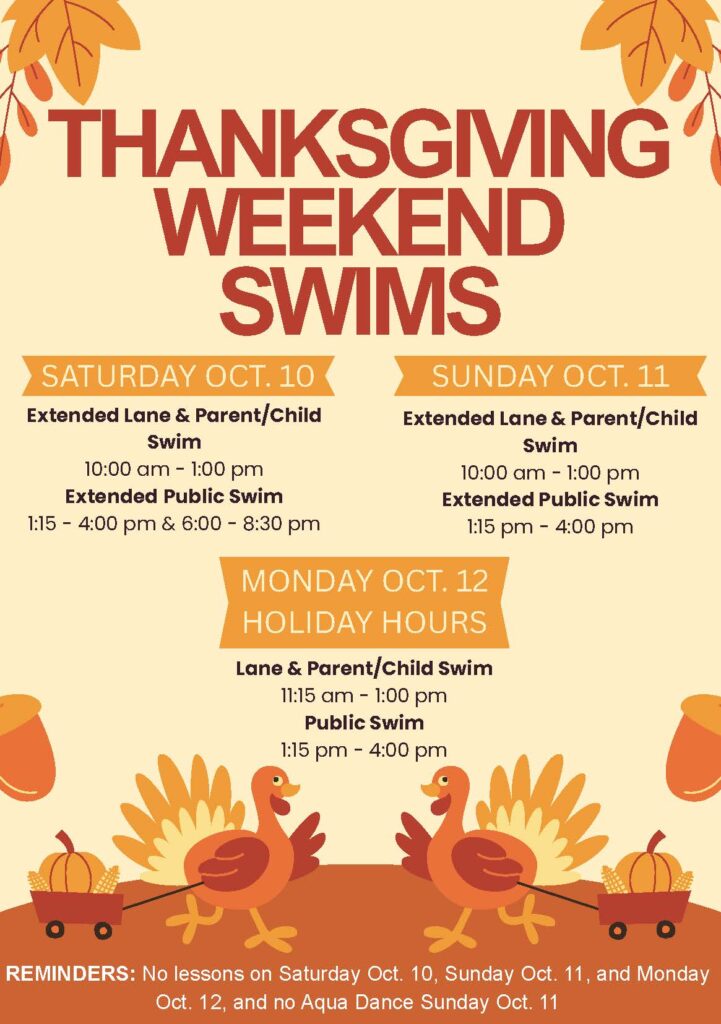
Lane swimming is offered daily in the morning, afternoon and evening.